Guide · certificates & landlord duties
EICRs, decoded.
EICRs, gas safety records and EPCs are the three pieces of paper that decide whether a rented property is lettable, and they are surrounded by more myth than almost anything else in the trade. This is a plain-English summary of what each document is, who needs one, how often, and what the codes on an electrical report actually mean. It's general guidance on the rules as they stand in England — not legal advice, and the detail differs in Wales, Scotland and Northern Ireland.
What an EICR actually is
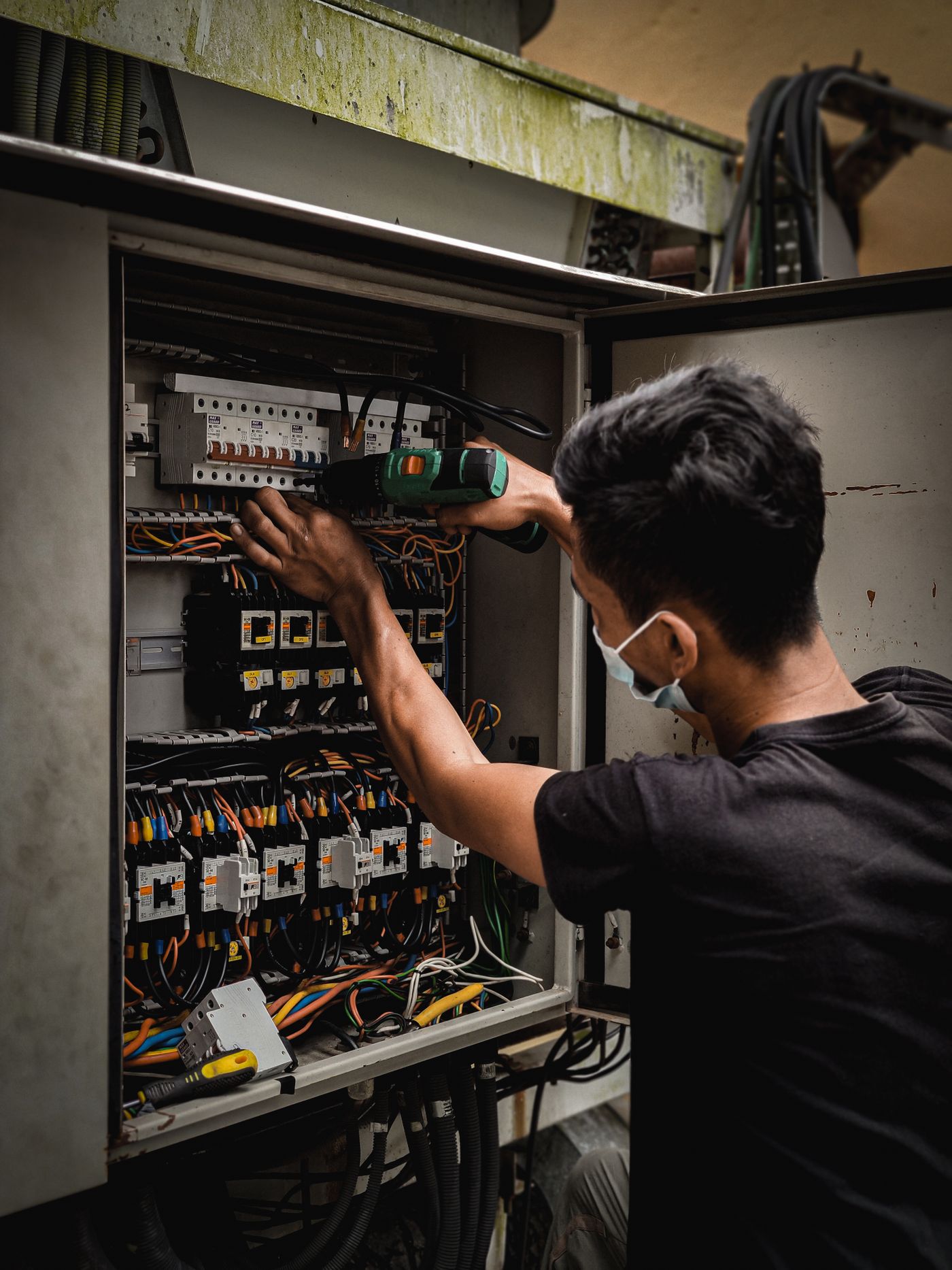
- An Electrical Installation Condition Report is a periodic inspection and test of the fixed electrical installation — the consumer unit, the circuits, the accessories and the earthing and bonding. It is not a test of your appliances, and it is not a visual once-over: a proper EICR involves dead testing and live testing, which is why the power has to go off for part of it.
- The outcome is a report, not a pass certificate as such. It is recorded as either SATISFACTORY or UNSATISFACTORY, supported by a list of coded observations. An installation can be perfectly safe and still collect a handful of observations — what matters is which codes they carry.
The codes, decoded
C1Danger present
Risk of injury is immediate. The report cannot be satisfactory, and the inspecting electrician should make it safe on the spot or isolate it before leaving.
C2Potentially dangerous
Not dangerous right now, but it will be under fault conditions. Makes a report unsatisfactory and must be put right.
C3Improvement recommended
Does not make a report unsatisfactory. Usually something that met the standard when installed but wouldn't be done that way today. You may choose to act on it; you're not obliged to.
FIFurther investigation required
Something couldn't be resolved during the inspection and needs investigating without delay. Makes a report unsatisfactory until it's been followed up.
- If someone tells you an installation 'failed' because of C3 observations, that is not what the codes mean. C3s are recommendations. C1, C2 and FI are the ones that require action.
How often, and who needs one
- Private rented homes in England: at least every five years under the Electrical Safety Standards in the Private Rented Sector (England) Regulations 2020, and before a new tenancy begins if the existing report has expired.
- Owner-occupied homes: no legal requirement, but the widely used guidance is an inspection at least every ten years, and more often for older installations or after a change of occupancy.
- Buying or selling: not legally required, but frequently requested — it is much cheaper to know about a C2 before exchange than after.
- Commercial premises: typically driven by insurers and by the property's use; five years is common, with shorter intervals for higher-risk environments.
A landlord's EICR duties, in order
- Have the installation inspected and tested at least every five years by a qualified and competent person.
- Give a copy of the report to existing tenants within 28 days of the inspection, and to any new tenant before they move in.
- Give a copy to the local housing authority within seven days if they ask for one.
- If the report requires remedial or further investigative work, have it done within 28 days — or sooner if the report specifies a shorter period.
- Get written confirmation from the electrician that the remedial work is complete, and supply that to the tenant and, where requested, the local authority within 28 days.
- Keep the report until the next inspection is due, and hand it to the next electrician — an EICR is far more useful when it can be read against the previous one.
Gas safety: the annual check
- Every gas appliance and flue in a let property in England and Wales must be checked for safety every 12 months by a Gas Safe registered engineer.
- The tenant gets a copy of the gas safety record within 28 days of the check; a new tenant gets a copy at the start of the tenancy. Records are kept for two years.
- A safety check is not the same thing as a service. The check confirms the appliance is safe to use; a service is the manufacturer's maintenance that keeps it efficient and usually keeps the warranty valid. Many landlords sensibly have both done in the same visit.
- Owner-occupiers have no legal obligation here — but boiler warranties almost always require an annual service, and an unserviced boiler is the one that fails in January.
EPCs and the rest of the paperwork
- An Energy Performance Certificate is required to market a property for sale or rent, is valid for ten years, and rates the property from A to G.
- Under the current Minimum Energy Efficiency Standard, a property in England and Wales generally cannot be let with an EPC rating below E unless a valid exemption is registered.
- Smoke and carbon monoxide alarms are a separate legal duty: a smoke alarm on every storey of a let property, a carbon monoxide alarm in any room with a fixed combustion appliance other than a gas cooker, and all of them tested at the start of each new tenancy.
- Keep the EICR, the gas safety record, the EPC and the alarm checks together. Every one of them is something an agent, an insurer or a local authority may ask to see at short notice.
The landlord paperwork, on one line each.
| Document | How often | Give to tenant |
|---|---|---|
| EICR (electrical) | At least every 5 years | Within 28 days; new tenants before they move in |
| Gas safety record | Every 12 months | Within 28 days; new tenants at the start |
| EPC | Valid 10 years | Before the tenancy begins |
| Alarm checks | Start of every new tenancy | Tested with the tenant present where possible |
Summary of the position in England at the time of writing. Rules differ in Wales, Scotland and Northern Ireland and do change — check the current guidance, or ask.
Bestfix carries out EICRs, EICs, EPCs and gas safety inspections for landlords, homeowners and commercial clients across Guildford and Surrey, and explains the findings rather than handing over a page of codes. If you've been sent a report by someone else and can't tell how worried to be, you're welcome to ring and ask — reading a report is not a chargeable job.